Dr. Sajid Nisar is an Associate Professor in the Department of Mechanical and Electrical Systems
Engineering (Graduate School and Faculty of Engineering) at Kyoto University of Advanced Science (KUAS), and Principal Investigator
of the Novel Intelligent Systems and Advanced Robotics (NISAR) Laboratory. His research centers on
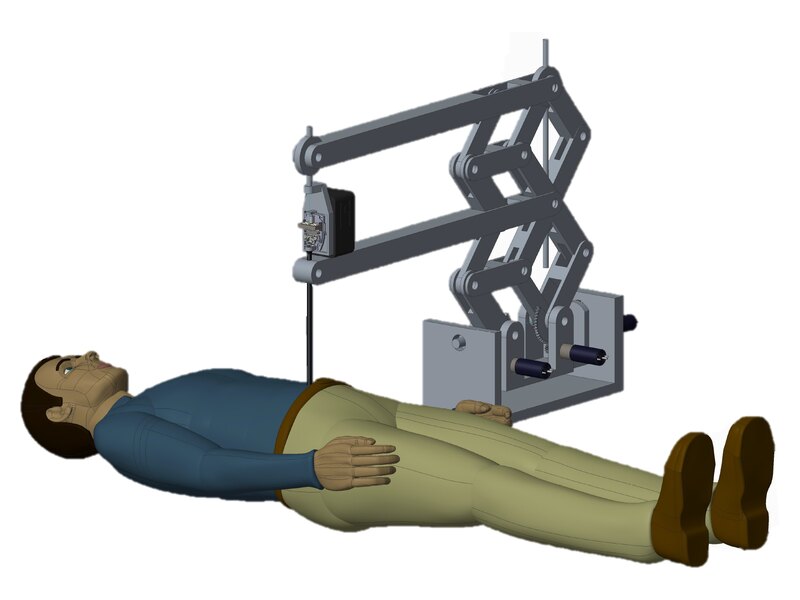
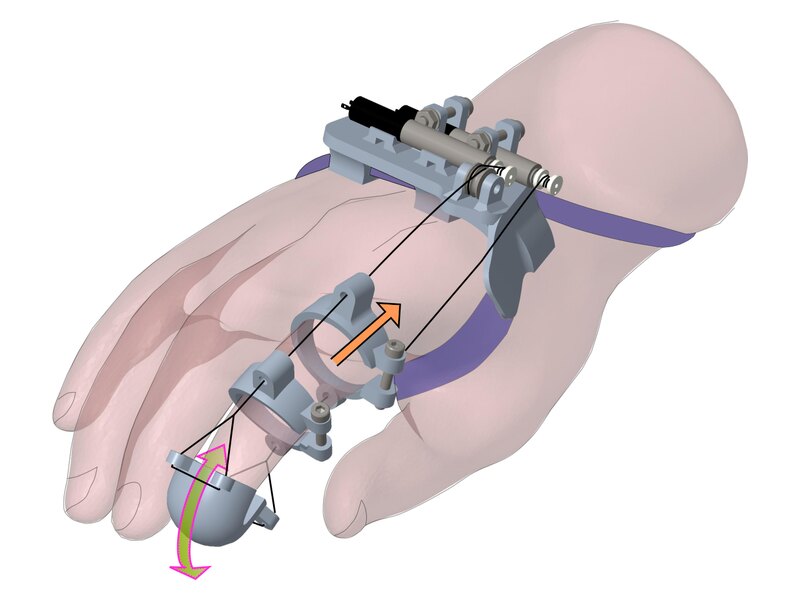
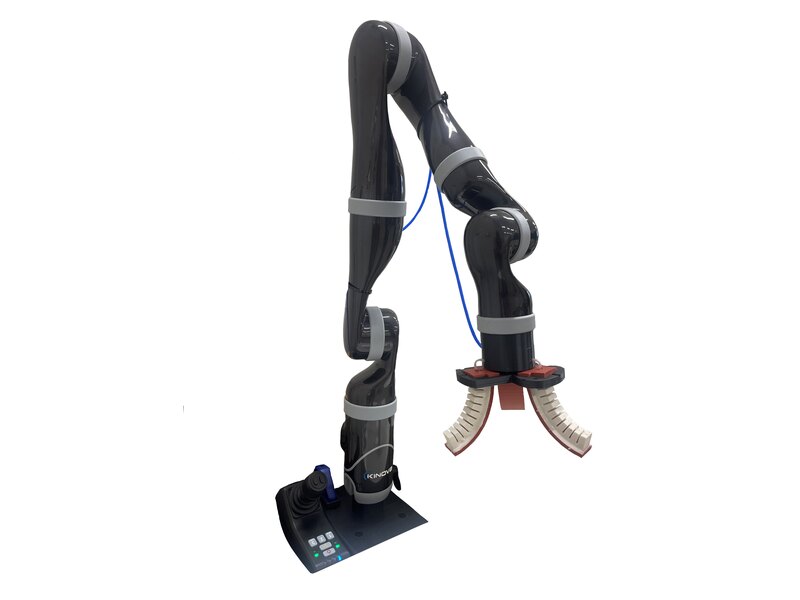
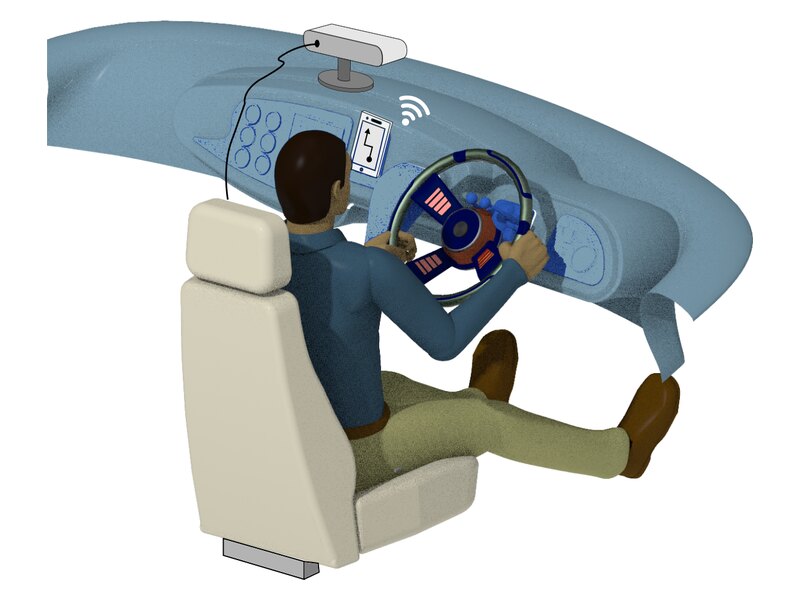
human-centered robotics — medical and surgical robots, wearable and soft robotics, haptics, and
AI-powered human-assistance systems — bridging fundamental research and practical applications to build innovative,
user-friendly, and safer robotic systems.
He earned his M.Sc. and Ph.D. in Mechanical Engineering from Kyoto University
as a Japanese Government MEXT scholar and JSPS Doctoral Fellow, and was a Visiting Scholar at Stanford University's
Center for Design Research and Department of Mechanical Engineering, developing advanced wearable haptic devices.
He has led high-impact projects funded by JSPS, the Japan Agency for Medical Research and Development (AMED), the
New York Academy of Sciences, and the U.S. National Academy of Medicine, and collaborates with leading industry
partners in and beyond Japan. His honours include the IEEE World Haptics Best Associate Editor Award, the
IEEE ICRA Outstanding Associate Editor Award, an IEEE/RSJ Best Paper Award, the IEEE/RSJ Young
Scientist Award, and the KUAS Best Researcher Award. He serves as an
Associate Editor for IEEE/RSJ IROS, IEEE ICRA, and leading robotics journals, and is committed to advancing
interdisciplinary human-centered robotics and mentoring future leaders in the field.